ADC2
Alternative Desert Cities 2
Cao Aerial Perspective

Alternative Desert Cities 2

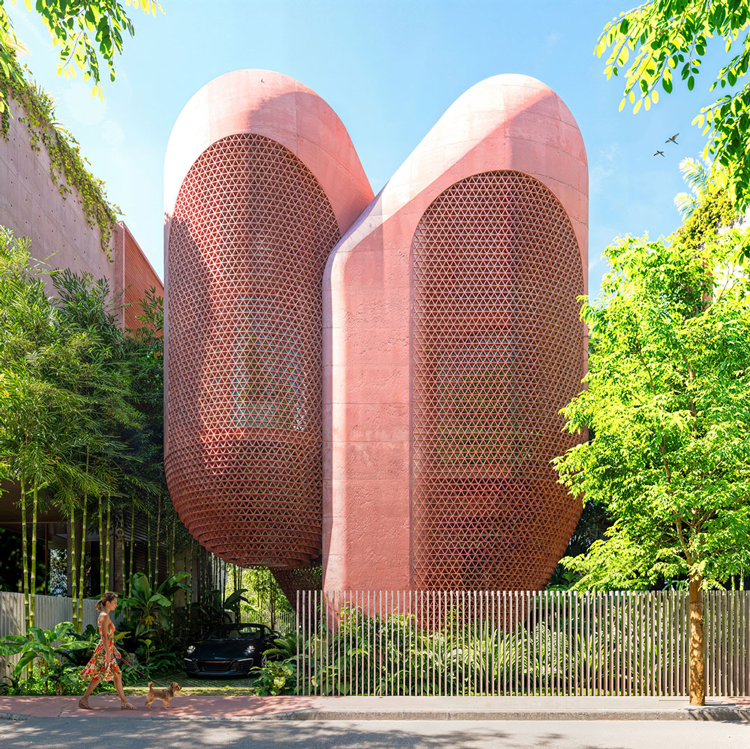
Aerial perspective of two paired undulating housing bars tucked into Camelback Mountain by student Donglei CaoAerial perspective of two paired undulating housing bars tucked into Camelback Mountain by student Donglei CaoAerial perspective of two paired undulating housing bars tucked into Camelback Mountain by student Donglei CaoAerial perspective of two paired undulating housing bars tucked into Camelback Mountain by student Donglei Cao

RELATED RESEARCH IMAGES

RELATED PROJECT IMAGES

OTHER PROJECTS

QTCT is tasked to blend these two identities onto one site—a give and take relationship between beach ambitions and urban necessities. QTCT is a sampling of two worlds: on one hand it is the embodiment of the language of the beach and on the other it is a detailed and exacting built urban space.
The RACA project must meet two demands: A. REFLECTION (museum) or B. CONTINUATION (practice + addition). The current program and its stagnancy has left the site forgotten—it is a typical static museum on a living site. The site and addition must constantly change through the participation of people.
Infrastructure as urban performance. Serving as both a backdrop to elegant theatrical dances and a framework for holding a wandering public, the Dance Machine enacts performance through both its program and its existence as a merged urban extension of the Queensboro Bridge.
The CART live/work housing prototype adds a vertical profile to downtown while converting an underutilized public path into an urban gesture by introducing of a specialized food cart zone in New Haven. The CART residents would rent and appropriate the moving space as a means of expanding their zone.
Bathaus is a small hybrid building that expands the visitor center at the Gropius House while simultaneously functioning as an ecologically sensitive bat sanctuary. Integrated directly into the architecture, a series of vertical slot bat habitats are carved into the façade and form.
Seating design is vital in fostering communal interactions in shared spaces. Rooted in the organic growth principles of the Metabolist movement and the transformational geometric language of digital Metaballs, Meta-Bench forms an experiential seating system which individuals can move and adjust.
The Urban Test Object (UTO) serves as a large-scale intervention that accelerates our relationship with the future city. Rather than solving issues like density, infrastructure, or access, the UTO heightens awareness of the rapid urban transformations shaping our future.
The YELE music studio competition, underway before the earthquake, must respond now, but plan for the future of the community. Music is relief in a time of tragedy. The goal is to meet the most basic survival needs now while leaving spaces for future growth through self sustaining phases.

OTHER RESEARCH