ADC2
Alternative Desert Cities 2
Li Exploded Program Diagram

Alternative Desert Cities 2

Exploded program diagram illustrating the varied typologies and functions within the communities proposed by student Zihao LiExploded program diagram illustrating the varied typologies and functions within the communities proposed by student Zihao LiExploded program diagram illustrating the varied typologies and functions within the communities proposed by student Zihao LiExploded program diagram illustrating the varied typologies and functions within the communities proposed by student Zihao Li

RELATED RESEARCH IMAGES

RELATED PROJECT IMAGES

OTHER PROJECTS

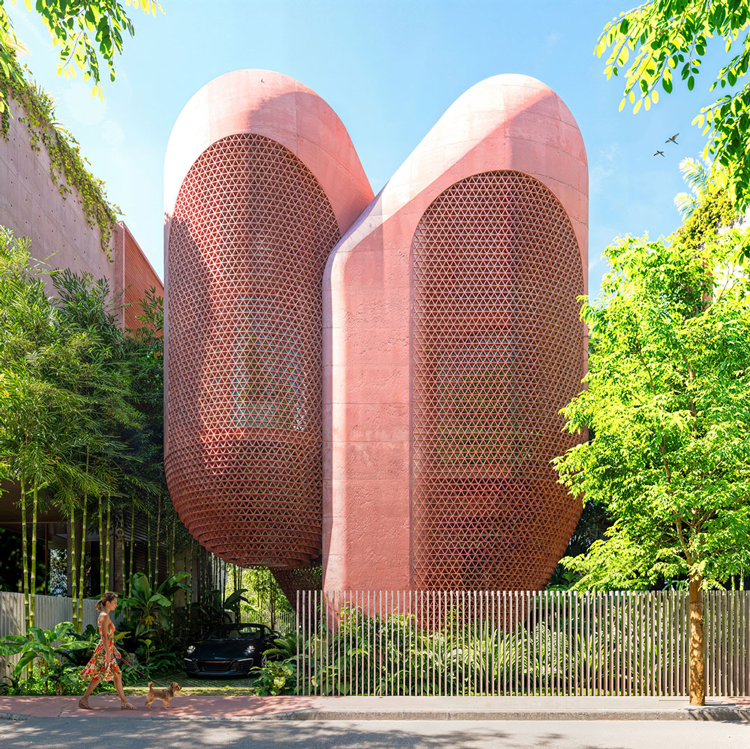
The Miami Beach House is constructed as a series of platformed spaces that continuously step upward within a tropically climatized shell. Continuing the structural experiments of the Metabolist movement, thirteen modular concrete platforms branch from two vertical cores.
Framework: Inverted Square Pyramid (FW:ISP) reimagines the traditional pyramid by flipping it upside down, shifting its focus from the cosmos to the people. The structure’s apexes become seating points within a flexible, interactive framework that encourages public engagement and play.
Infrastructure as urban performance. Serving as both a backdrop to elegant theatrical dances and a framework for holding a wandering public, the Dance Machine enacts performance through both its program and its existence as a merged urban extension of the Queensboro Bridge.
University Island is a swirling shapeshifter, in both the landscape and the architecture, that offers it’s undefined field of opportunities to the students and anticipates that each will discover and produce their own individual relationship with the island and their education.
Space has become redundant again. Popular culture is uninterested in the goings-on in space. Once achieved, mans absurd relation with space becomes yesterdays news. To become relevant to the public, CASIS must be an amenity and not a mission. Instead of promoting an HQ, make it a public interface.
Bathaus is a small hybrid building that expands the visitor center at the Gropius House while simultaneously functioning as an ecologically sensitive bat sanctuary. Integrated directly into the architecture, a series of vertical slot bat habitats are carved into the façade and form.
Expanding the mission of the local Biscayne National Park Institute, MICROGROVE is a living research community designed for scientists, ecologists, researchers, and eco-tourists, dedicated to the study, restoration, and increased social awareness of coastal ecosystems.
The CART live/work housing prototype adds a vertical profile to downtown while converting an underutilized public path into an urban gesture by introducing of a specialized food cart zone in New Haven. The CART residents would rent and appropriate the moving space as a means of expanding their zone.

OTHER RESEARCH