FLMGO
—
—
Butterfly Theater
Butterfly Theater Canopy

Butterfly Theater

Aerial view showing the terraced stacking butterfly habitats in the Butterfly TheaterAerial view showing the terraced stacking butterfly habitats in the Butterfly TheaterAerial view showing the terraced stacking butterfly habitats in the Butterfly TheaterAerial view showing the terraced stacking butterfly habitats in the Butterfly Theater

RELATED RESEARCH IMAGES

RELATED PROJECT IMAGES

Mood diagram of a lush tropical habitat with natural butterfliesMood diagram of a lush tropical habitat with natural butterfliesMood diagram of a lush tropical habitat with natural butterfliesMood diagram of a lush tropical habitat with natural butterflies
Overall aerial view of the Butterfly Theater in Miami Beach’s Flamingo ParkOverall aerial view of the Butterfly Theater in Miami Beach’s Flamingo ParkOverall aerial view of the Butterfly Theater in Miami Beach’s Flamingo ParkOverall aerial view of the Butterfly Theater in Miami Beach’s Flamingo Park
Site plan of the Butterfly Theater in Flamingo Park on Miami Beach showing the canopy and the columnsSite plan of the Butterfly Theater in Flamingo Park on Miami Beach showing the canopy and the columnsSite plan of the Butterfly Theater in Flamingo Park on Miami Beach showing the canopy and the columnsSite plan of the Butterfly Theater in Flamingo Park on Miami Beach showing the canopy and the columns
Underside forest made of the columns of the Flamingo Park Butterfly TheaterUnderside forest made of the columns of the Flamingo Park Butterfly TheaterUnderside forest made of the columns of the Flamingo Park Butterfly TheaterUnderside forest made of the columns of the Flamingo Park Butterfly Theater
Concept image of a flock of flamingos showing the density of the flamingo legs like architectural columnsConcept image of a flock of flamingos showing the density of the flamingo legs like architectural columnsConcept image of a flock of flamingos showing the density of the flamingo legs like architectural columnsConcept image of a flock of flamingos showing the density of the flamingo legs like architectural columns
Exterior perspective of the Flamingo Park Butterfly Theater pavilionExterior perspective of the Flamingo Park Butterfly Theater pavilionExterior perspective of the Flamingo Park Butterfly Theater pavilionExterior perspective of the Flamingo Park Butterfly Theater pavilion
Concept diagram combining butterfly habitats, flamingos and architectural componentsConcept diagram combining butterfly habitats, flamingos and architectural componentsConcept diagram combining butterfly habitats, flamingos and architectural componentsConcept diagram combining butterfly habitats, flamingos and architectural components
Interior perspective of visitors observing the butterfly habitats within the Butterfly Theater in Flamingo ParkInterior perspective of visitors observing the butterfly habitats within the Butterfly Theater in Flamingo ParkInterior perspective of visitors observing the butterfly habitats within the Butterfly Theater in Flamingo ParkInterior perspective of visitors observing the butterfly habitats within the Butterfly Theater in Flamingo Park
Section diagram of the construction of the butterfly canopy component for the Butterfly TheaterSection diagram of the construction of the butterfly canopy component for the Butterfly TheaterSection diagram of the construction of the butterfly canopy component for the Butterfly TheaterSection diagram of the construction of the butterfly canopy component for the Butterfly Theater
Concept image combining butterflies and flamingos as a dense natural ecosystemConcept image combining butterflies and flamingos as a dense natural ecosystemConcept image combining butterflies and flamingos as a dense natural ecosystemConcept image combining butterflies and flamingos as a dense natural ecosystem

OTHER PROJECTS

Coney Island will remain a MUTANT appendage at the farthest shore of New York City. Coney is an agglomeration of all of its histories and should continue to simultaneously move each agenda forward. Coney will continue to evolve through mutations— this vision will accelerate its hybridity.
Seeing Park Avenue as an underutilized zone that connects four vibrant neighborhoods from 42nd Street to 144th Street, Infrastructural Infill is a study testing the potential to locate a combination of mixed-use housing and transportation in the residual spaces caused by urban infrastructure.
The RACA project must meet two demands: A. REFLECTION (museum) or B. CONTINUATION (practice + addition). The current program and its stagnancy has left the site forgotten—it is a typical static museum on a living site. The site and addition must constantly change through the participation of people.
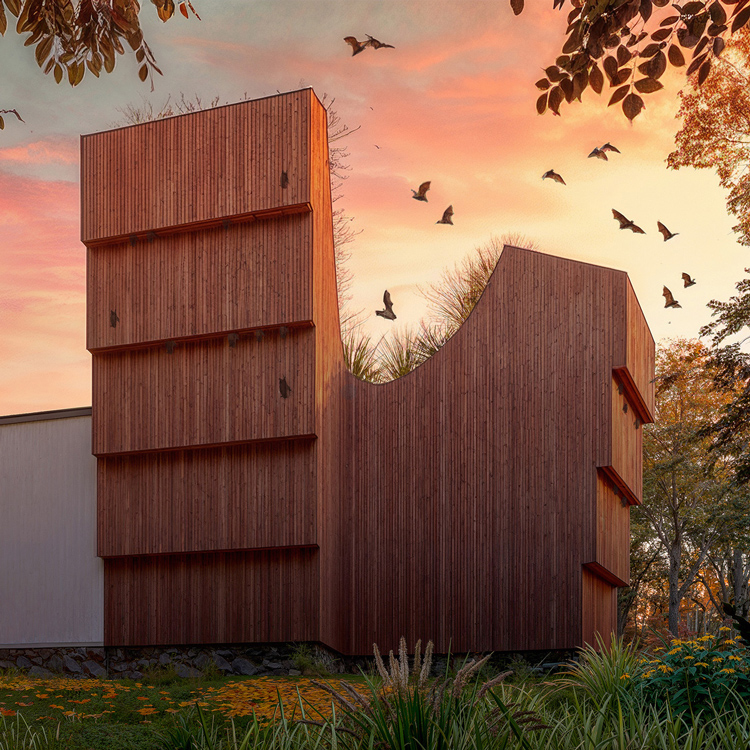
Bathaus is a small hybrid building that expands the visitor center at the Gropius House while simultaneously functioning as an ecologically sensitive bat sanctuary. Integrated directly into the architecture, a series of vertical slot bat habitats are carved into the façade and form.
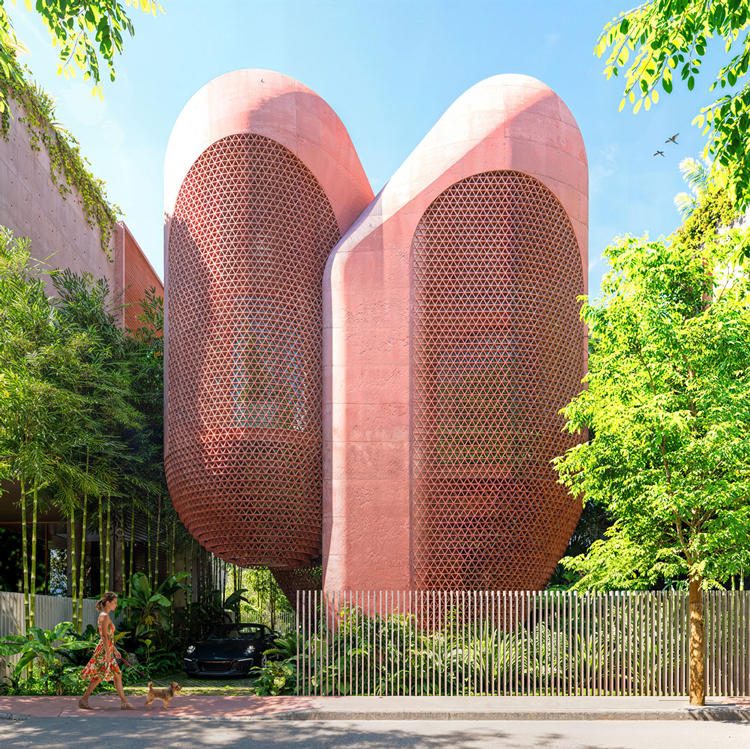
The Miami Beach House is constructed as a series of platformed spaces that continuously step upward within a tropically climatized shell. Continuing the structural experiments of the Metabolist movement, thirteen modular concrete platforms branch from two vertical cores.
Scaffolding is often seen as a temporary urban necessity—functional, but rarely celebrated. This project reimagines scaffolding as an architectural intervention and public art piece throughout Española Way, transforming it into a vibrant, interactive element in Miami Beach’s urban fabric.
In Tempe there are two pedestrian axes: Mill Avenue and Palm Walk. Mill Avenue is successful and Palm Walk is not. Is there a way to make the palm trees useful to the students? The PEP structure is powered by buried hydraulic pressure systems giving vertical movement to the layer/palm interface.
The challenge of creating a pair of studio apartments that can fill a lifted 16'x16' void necessitates the creation of a quick, mobile, and opportunistic building system that can react to the found conditions of the site. Access to the site is limited and the ground must be free.

OTHER RESEARCH