ADC3
Alternative Desert Cities 3
Richards Street Perspective

Alternative Desert Cities 3

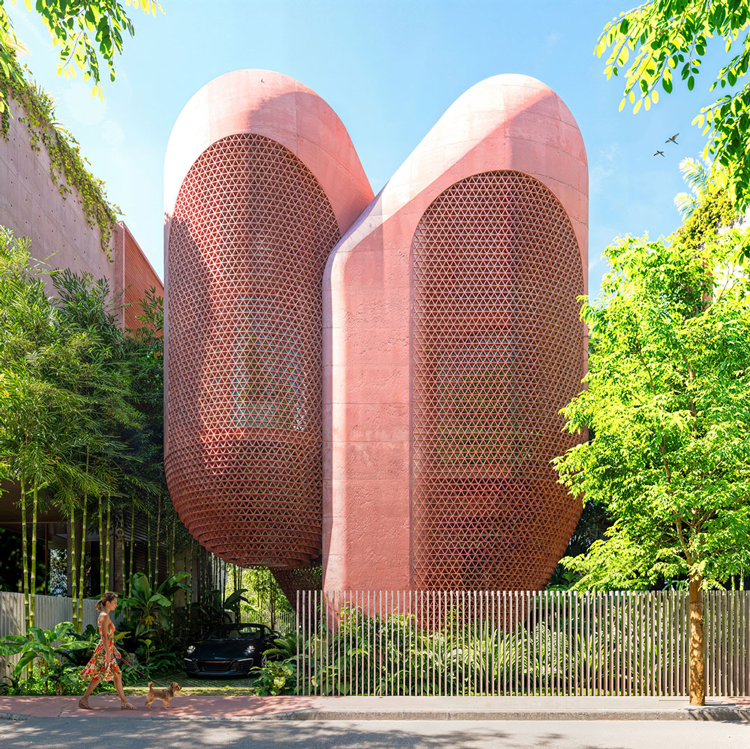
Street perspective showing a typical Phoenix street with new volumes beginning to connect above by student Brennan RichardsStreet perspective showing a typical Phoenix street with new volumes beginning to connect above by student Brennan RichardsStreet perspective showing a typical Phoenix street with new volumes beginning to connect above by student Brennan RichardsStreet perspective showing a typical Phoenix street with new volumes beginning to connect above by student Brennan Richards

RELATED RESEARCH IMAGES

RELATED PROJECT IMAGES

OTHER PROJECTS

The GBN project sites itself as this link connecting the busiest night life district and revitalized neighborhood park in the north, the largest beach front in the city to the south, and establishes the cities first large public plaza and recreation fields adjacent to the new building.
The Urban Test Object (UTO) serves as a large-scale intervention that accelerates our relationship with the future city. Rather than solving issues like density, infrastructure, or access, the UTO heightens awareness of the rapid urban transformations shaping our future.
The challenge of creating a pair of studio apartments that can fill a lifted 16'x16' void necessitates the creation of a quick, mobile, and opportunistic building system that can react to the found conditions of the site. Access to the site is limited and the ground must be free.
Infrastructure as urban performance. Serving as both a backdrop to elegant theatrical dances and a framework for holding a wandering public, the Dance Machine enacts performance through both its program and its existence as a merged urban extension of the Queensboro Bridge.
Planes, frames, and volumes are fundamentals to all assembly logics. With the proliferation of additive production methods, the possibility of volumetric prefabricated components has the potential to radically alter the way that we conceive of construction and the permanence of building parts.
The RACA project must meet two demands: A. REFLECTION (museum) or B. CONTINUATION (practice + addition). The current program and its stagnancy has left the site forgotten—it is a typical static museum on a living site. The site and addition must constantly change through the participation of people.
Seating design is vital in fostering communal interactions in shared spaces. Rooted in the organic growth principles of the Metabolist movement and the transformational geometric language of digital Metaballs, Meta-Bench forms an experiential seating system which individuals can move and adjust.
The Craft School is a participatory design and construction initiative that places students at the center of creating their own learning environment. It recognizes that education is not only about what happens inside the classroom, but also how the classroom comes to be.

OTHER RESEARCH